
















Unlike the Iraq war, Trump’s Iran war is being fought without a clear plan or congressional approval. For these and other reasons, it plainly does not meet the conditions for a morally acceptable war, as set out by traditional just war doctrine. 
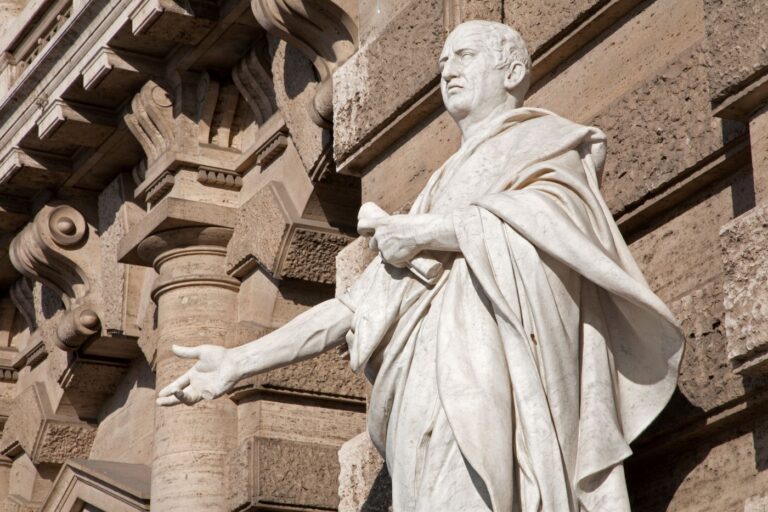
The collapse of the late Roman republic came not in an instant but over time: through a period of profound internal fracture and systemic chaos. As we approach the 250th anniversary of the American founding, we find ourselves in a similar period of civic fragmentation and disengagement.
America is great because America is good: that is the proposition. But is the proposition plausible? And “good” means ... what?
The conservative legal movement has come far, but we’re just getting started. 
The University of Notre Dame does not and ought not have the luxury of relegating moral and theological questions to the margins.
More than the squabbles of party politics, conservatives ought to be concerned with defending our civilization’s way of life and the ordered liberty that sustains it.
The culture of self-censorship, cancellation, and lack of exposure to viewpoints has adversely affected the university. The increasing ideological skew of the faculty is largely responsible. Universities need to address these issues to help restore their truth-seeking mission. 
The confessions are not a ball and chain. They are a covenant—public, binding, and liberating. 
The joy of reading good books well is to better ponder and embrace them all. 
Can We Restore Hope in Women’s Healthcare? 
The Hebrew Bible offers a “political realism” that may assist both religions, and hence Western civilization, to survive. 
If Sinclair Lewis were writing today, would his Babbitt look markedly different?
America’s constitutional tradition recognizes parents as primary educators. To honor this, policymakers must safeguard private school autonomy and ensure funding follows students to their families’ chosen learning environment.
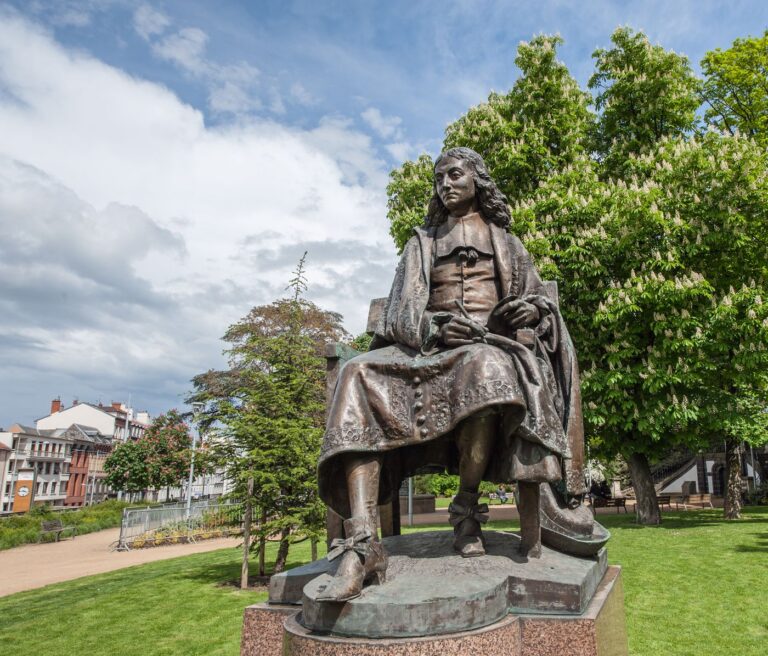
Pascal’s theology is sublime, beautiful, and all-consuming. But it reflects the life of a celibate mystic rather than that of the statesman who must transmit Christian culture. Statesmen after all must wager. 
Richard Weaver’s bestselling work is his worst book. But an author with his contempt for mass democracy would probably appreciate that irony. 
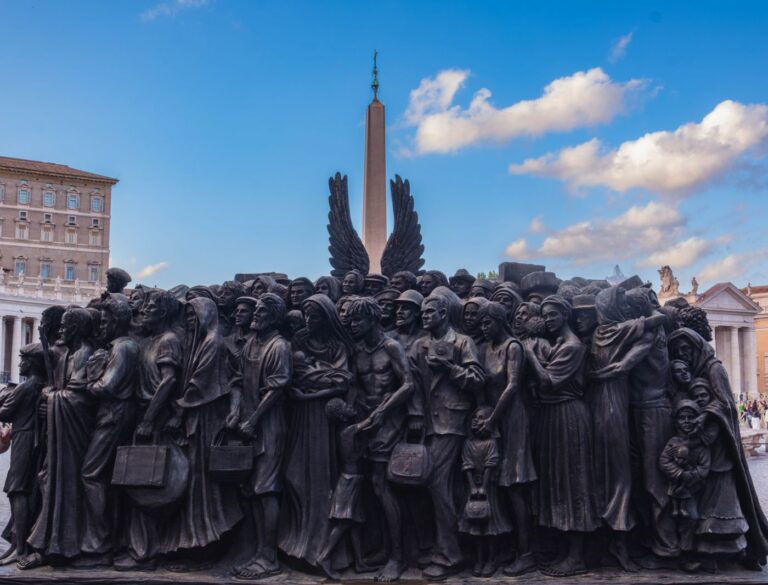
The Church has a long tradition of generous care for migrants, while allowing room for legitimate regulation.
Lent ought to be the training ground for how to approach things of value with proper reverence. In other words, Lent retrains our loves.
For years, perhaps the most serious threat to religious organizations’ freedom to live according to their faith has been the ever-growing specter of nondiscrimination laws. The Ninth Circuit’s decision here offers perhaps the strongest opportunity we have seen yet to affirm the constitutional right of religious organizations to hire according to their faith. 
Ben Sasse’s recent announcement reveals to us both goods and virtues that show in his dying a glimmer of light, a stirring of hope, and the possibility of spring even in one’s final winter.
That a story that demands we define ourselves by our duties of care to each other—not by individual success—should resonate with so many is perhaps a sign that the cultural tide is quietly turning. It’s time to remember that, if our interdependence makes us vulnerable, it’s also what gives us a sense of purpose. 
If democracy means anything, it should mean some ability to take a deep breath before we permit Silicon Valley to hack baby-making in the same way it has remade so many other facets of our lives.
Tocqueville’s insight anticipates Taylor’s: a democracy built on dialogical identity easily turns into a society where individuals depend on the crowd for self-definition.
If I may be permitted to so step beyond my bounds and attempt to speak for what Tolkien’s advice might be, I believe his recommendation would be this: teach, read, and write poetry, for that is the first step toward viewing language as not merely a tool for communication, but a science, an art, a heritage, and a way in which man resembles God. 
Forming young men will be a lot easier if we remove the filth that is choking out loving and flourishing complementary relationships between men and women.